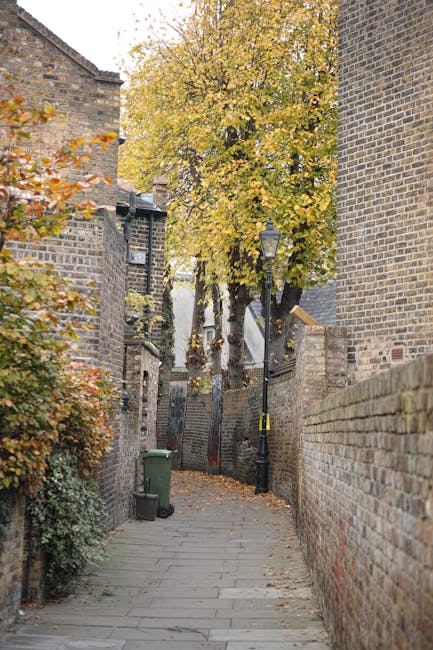
Totteridge flat removals tips for narrow lane access
If you are planning a flat move in Totteridge, the biggest challenge is often not the stairs, the boxes, or even the fragile lamp you forgot to wrap properly. It is the lane. Narrow access can turn a straightforward removal into a careful bit of choreography, especially where parking is tight, turning space is limited, and neighbours are understandably protective of the road outside their homes. These Totteridge flat removals tips for narrow lane access are written to help you avoid those awkward moments and keep the day calm, safe, and efficient.
The good news? A narrow lane does not have to mean a difficult move. With the right planning, the right vehicle size, and a few smart adjustments to how you pack and load, you can make a surprising amount of progress without stress. Below, you will find practical guidance for assessing access, coordinating timings, protecting your belongings, and choosing the right support for the job. Simple idea, really. Better planning, fewer headaches.
Table of Contents
- Why narrow lane access matters in Totteridge flat removals
- How a move through narrow access usually works
- Key benefits and practical advantages
- Who this is for and when it makes sense
- Step-by-step guidance
- Expert tips for better results
- Common mistakes to avoid
- Tools, resources and recommendations
- Law, compliance, standards, and best practice
- Options and comparison table
- Case study or real-world example
- Practical checklist
- Conclusion
- Frequently asked questions
Why Totteridge flat removals tips for narrow lane access Matters
In Totteridge, many flat moves are shaped by the local layout as much as by the inventory list. A lane might be too narrow for a large removals lorry to sit comfortably outside. There may be parked cars on both sides, a bend that hides oncoming traffic until the last second, or a pinch point where two vehicles cannot pass without one stopping. That sounds minor until you are carrying a sofa, a mattress, and a box of glassware through it.
Narrow access affects almost every part of the day: how close the van can get, how long loading takes, whether you need extra hands, and even which items should go in first. If you do not plan for it, you end up wasting energy on small obstacles. If you do plan for it, the move feels much more controlled. And let's face it, on moving day, controlled is lovely.
There is also the neighbour factor. A lane can feel private, but it is still a shared space. Keeping access clear, avoiding unnecessary blocking, and using quieter, tidier loading methods can make a real difference to how smoothly the move goes. A considerate move is usually a better move.
For people comparing options, it can help to look at broader support as well as the flat move itself. Services like flat removals and local removals are often useful starting points when the access problem is part of a wider relocation.
How Totteridge flat removals tips for narrow lane access Works
The basic approach is simple: reduce uncertainty before the van arrives. That means checking the access route, deciding where loading will happen, and breaking the move into manageable stages. For a narrow lane, the process usually works best when you think in terms of distance, timing, and handling rather than just box count.
First, you assess the lane. How wide is it? Is there enough room for a van to stop safely without blocking the whole road? Can a larger vehicle turn, or is a smaller van a better fit? Are there height restrictions, overhanging branches, or awkward corners? A quick visual check is not enough; it is worth walking the route with your own eyes and noticing the little things, like uneven kerbs or a wall that narrows the passage by just enough to matter.
Next, you decide how items will move from the flat to the vehicle. In a narrow lane, carrying items in shorter, better-organised runs can be more effective than trying to stage everything at once on the pavement. This is where good packing and sensible sequencing really pay off. Bulky items, like wardrobes or beds, may need to be dismantled in advance so they can be carried without snagging corners.
Finally, you build a loading plan. That often means placing the van as close as possible to the entrance, but not forcing a risky position. A slightly longer carry on a safer footing is usually better than squeezing a big vehicle into a spot it does not really fit. It sounds obvious. In practice, people ignore it all the time.
Key Benefits and Practical Advantages
There are genuine advantages to approaching a Totteridge flat move with narrow lane access in mind rather than treating it as a last-minute complication.
- Less damage risk: careful route planning reduces knocks to walls, banisters, door frames, and furniture.
- Faster loading and unloading: knowing where the vehicle will stop cuts down on indecision and back-and-forth walking.
- Lower stress: when the access plan is clear, the day feels more manageable and less chaotic.
- Better use of labour: movers can focus on lifting and protecting items rather than improvising around the lane.
- More neighbour-friendly: tidy timing and reduced obstruction make the move less disruptive.
- Improved safety: less congestion means fewer slips, awkward turns, and rushed carries.
Another practical benefit is that planning for narrow access often reveals what you do not need to move immediately. Sometimes that box of books, that spare chair, or the old bike can be put into storage for a few weeks. If that helps, options such as short-term storage or self storage can take pressure off move day and make the lane problem much easier to handle.
Expert summary: The best narrow-lane move is usually the one that creates space before the van arrives, keeps the carrying route short, and treats parking as a planning issue rather than a gamble.
Who This Is For and When It Makes Sense
This guidance is especially useful if you are moving from or to a flat in Totteridge where the access road is narrow, curving, shared, or lined with parked cars. That includes ground-floor flats, maisonettes, upper-floor conversions, and small apartment blocks where the vehicle cannot get directly to the entrance without a bit of thought.
It also makes sense if you are moving:
- on a weekend or evening when parking is tighter
- with larger furniture that may need dismantling
- with limited help from friends or family
- with fragile, high-value, or awkward items
- while trying to keep costs under control
- after a previous move where access was, frankly, a bit of a mess
Students, renters between tenancies, and families moving into a first flat all benefit from the same core principle: narrow access is easier when handled early. People sometimes assume it only matters for big house moves. Not true. A smaller move can become surprisingly difficult if the lane is awkward and the lift is tiny and the parking plan is vague. Tiny details, big difference.
If you are also weighing whether to hire labour-only help or a full moving service, pages like man and van and small removals are worth considering for compact access and lighter loads.
Step-by-Step Guidance
1) Survey the lane before moving day
Do a careful walk-through at roughly the time of day you expect the move to happen. Morning light can make a lane feel wider than it is; evening shadows can hide parked vehicles and low branches. Look for pinch points, resident permit parking, school traffic, delivery vans, and areas where one vehicle may need to wait for another to pass.
2) Measure the practical width, not just the road width
What matters is the usable width after parked cars, bins, walls, gates, and overgrowth are taken into account. A lane can look fine on paper and still be annoying in real life. If you are unsure, take photos from both ends and note the narrowest points. It sounds simple, but it saves a lot of guesswork later.
3) Match the van size to the access
More vehicle is not always better. In narrow lane settings, a medium van may be more effective than a larger truck because it can position itself more easily and keep the move flowing. The best choice is the one that can get close enough without creating a traffic problem.
4) Prepare your flat before the crew arrives
Clear walkways, disassemble furniture where possible, and keep packaging materials ready. If you leave wardrobe screws in a random mug on the kitchen counter, they will somehow disappear for twenty minutes. That is just the law of moving day.
5) Stack items in carry order
Place the items that need to leave first near the door, then heavier items, then anything fragile that requires extra handling. The aim is to reduce the number of decisions made while standing in a corridor with a box under your arm.
6) Protect the route as well as the furniture
Use floor coverings, furniture blankets, and corner protection where needed. In narrow lanes, the route in and out can be just as vulnerable as the furniture itself. A scuffed wall or chipped bannister is the sort of thing nobody wants to explain later.
7) Keep access live
Where possible, arrange a clear loading window so the van can work without interruption. If you need to pause because of parking restrictions or neighbours coming and going, do that early and with patience. Rushing a tight lane is how accidents happen.
8) Confirm the arrival sequence
Know who will be at the flat, who will guide the vehicle, and where items will be staged. If one person is answering the door, another is tracking the load, and a third is checking the lane, the day tends to run more smoothly. Teamwork, even on a small move, matters.
Expert Tips for Better Results
A few small habits make a noticeable difference in narrow-access removals.
- Use smaller boxes for heavy items: books, dishes, and paperwork are far easier to carry through a tight lane when the boxes are manageable.
- Label by room and urgency: it helps movers place everything quickly once it reaches the van or the new flat.
- Book an earlier slot if possible: traffic and parking tend to be calmer earlier in the day.
- Separate essentials: keep keys, chargers, documents, medication, and a kettle kit in one easy bag.
- Protect the weather plan: rain turns a short carry into a slippery little exercise, so keep covers and towels handy.
- Choose furniture that can be dismantled: if a wardrobe can come apart cleanly, take the time to do it.
One useful thing we often see is that the least glamorous preparation saves the most time. A roll of tape, a marker pen, and a measured approach to box sizes may not feel exciting. But they absolutely shape the day.
For items you do not want in the lane at all, storage can be a smart pressure valve. A move can be split across a few days, with bulky or seasonal belongings held in furniture storage, or documents kept separately through document storage if you are clearing a home office or study corner.
Common Mistakes to Avoid
Most access problems are not dramatic. They are just avoidable. That is the frustrating bit.
- Assuming the van will fit: always confirm the access rather than relying on guesswork.
- Leaving parking to the day itself: a lane move needs advance thought, not a last-minute scramble.
- Overpacking boxes: heavy boxes are harder to carry and more likely to fail.
- Ignoring stairs and corners: a flat move is rarely just about the outside access.
- Not warning neighbours: a simple heads-up can prevent awkward interruptions.
- Forgetting to dismantle bulky furniture: a sofa that cannot turn a corner is not very useful, is it?
- Loading in no particular order: this creates slowdowns inside the flat and outside in the lane.
Another common problem is underestimating the time needed for the carry. A short lane does not always mean a short move. If the vehicle cannot park immediately outside, every trip takes longer. Add in a lift, stairs, or a narrow staircase, and the schedule changes quickly.
Tools, Resources and Recommendations
You do not need a van full of specialist kit to handle a narrow lane move, but a few items help enormously.
| Tool or item | Why it helps | Best use |
|---|---|---|
| Furniture blankets | Protects items and walls from bumps | Large furniture, door frames, tight corners |
| Removal straps | Makes awkward items easier to carry | Fridges, wardrobes, heavy boxes |
| Floor protection | Reduces scuffs and slips | Hallways, entrances, wet weather |
| Stacking boxes | Improves van loading efficiency | Smaller items and grouped room loads |
| Clear labels | Speeds unloading and sorting | All rooms, especially if storage is involved |
| Basic toolkit | Useful for dismantling furniture on the spot | Beds, tables, shelving |
If your move is being paired with temporary storage, it may help to consider removals and storage so you can separate the high-pressure move from the access challenge. That is particularly handy when access at one end is easier than the other. Sometimes the tidy solution is not one move, but two smaller ones.
For people who want help with packing before the day, packing services can reduce the number of loose items, speed up loading, and make the entire process feel less like a scramble.
Law, Compliance, Standards, and Best Practice
For flat removals involving narrow lane access, the main legal and compliance concerns are usually practical rather than complicated. The big things are road safety, safe manual handling, and avoiding obstruction. UK traffic rules and local parking controls matter, but the exact restrictions vary by street and council area, so it is sensible to check local arrangements rather than assume anything.
From a best-practice point of view, a professional removals team should work in a way that reduces risk to people, property, and other road users. That normally means:
- planning loading and unloading to avoid unsafe parking
- using suitable equipment for heavy or awkward items
- lifting with care and not rushing through tight spaces
- protecting walls, floors, and furniture
- keeping escape routes clear inside the property
- taking weather and visibility into account
If you are arranging a move yourself, it is wise to think about insurance and safety as well. Not every loss is avoidable, but many problems can be reduced by careful handling, proper packing, and choosing a provider that takes risk seriously. You can also review the company's insurance and safety information and its health and safety policy if you want a clearer sense of how they approach moving-day risk.
A final point: if you are placing items into storage before or after the move, it helps to use storage that fits the length of your gap, whether that is a few days or a longer period. The practical choice depends on timing, not just price. There is no prize for making a move harder than it needs to be.
Options, Methods, or Comparison Table
There is more than one way to handle narrow lane access. The best method depends on how tight the lane is, how much you are moving, and how much time you have.
| Method | Best for | Pros | Trade-offs |
|---|---|---|---|
| Large van, single trip | Simple access with enough width | Efficient if it fits safely | Can be awkward or impossible in very tight lanes |
| Smaller van, multiple runs | Very narrow or bendy lanes | Better access, easier manoeuvring | May take longer overall |
| Load-and-store split move | When parking is limited or timing is tight | Reduces pressure on move day | Needs extra organisation |
| Professional full-service removals | Busy flats, fragile items, limited help | Less stress, more coordination | Usually costs more than a simple DIY move |
| Man and van support | Smaller flat moves or student moves | Flexible and often well suited to access issues | Less capacity than a larger team |
If you are trying to keep the move compact and adaptable, removals and man and van services are often the most natural fit. If the job is a little bigger or involves several floors, a more complete house removals style approach may be more suitable, even for a flat, because you get stronger coordination and handling support.
Case Study or Real-World Example
Picture a typical Totteridge flat move on a cool Thursday morning. The lane is just wide enough for cars to pass carefully, but a larger van would sit awkwardly if parked directly outside. The flat is on the first floor, the staircase turns sharply halfway up, and the sofa looks fine until you reach the hallway. Then it suddenly becomes a very different shape.
In a case like this, the smoother approach is usually to park a little further away where the van is not blocking access, then carry items in a planned sequence. The move starts with the dismantled bed frame and boxed items, followed by lighter furniture, then the awkward pieces. The team keeps the entrance clear, and one person stays aware of passing cars while another guides the load. Nothing dramatic. Just calm, disciplined work.
The real win comes from what happens beforehand. The resident has already measured the route, warned neighbours, and separated a few items for short-term storage because there is no point forcing everything through a tight access point on the same day. The result is not flashy, but it is efficient. And that is usually what people actually want.
One small thing that made the difference? The wardrobe doors were removed before the movers arrived. Five minutes of effort. Possibly the most useful five minutes of the day.
Practical Checklist
Use this checklist before the move starts.
- Walk the lane at the time you expect the van to arrive
- Check for parked cars, bins, overhanging branches, and tight corners
- Decide whether a smaller van is more suitable than a larger one
- Warn neighbours if the lane may be busy or partially blocked
- Measure bulky furniture and confirm it can fit through doors and stair turns
- Dismantle beds, wardrobes, and large tables where needed
- Pack heavy items into smaller boxes
- Label boxes by room and priority
- Keep essentials in one clearly marked bag
- Protect floors, walls, and corners
- Have a backup plan if parking is unavailable
- Review insurance and safety arrangements if using a removals provider
- Arrange storage if the move needs to be split into stages
Quick reminder: a narrow lane move is usually won or lost in the planning stage. Once the boxes are out and the van is waiting, your options are much fewer.
Conclusion
Totteridge flat removals with narrow lane access do not need to feel complicated. The key is to treat access as a core part of the move, not a side issue. If you measure carefully, choose the right vehicle, pack in a sensible order, and leave yourself a bit of breathing room, the day becomes much easier to manage.
There is something reassuring about a move that unfolds in a steady, unhurried way. You hear the tape tear, boxes thud gently onto the van floor, someone calls out a room name, and suddenly the whole job starts to feel possible. That is the goal, really. Not perfection. Just a move that feels under control.
If you are comparing removal support, storage options, or help with packing, take the time to choose what fits your access, your timeline, and your peace of mind. A little planning now tends to pay for itself later.
Get a free quote today and see how much you can save.
Frequently Asked Questions
How do I know if my Totteridge lane is too narrow for a removals van?
The best test is a practical one: look at the lane with parked cars in place, check the turning space, and consider whether a van can stop without blocking access completely. If it feels tight for an everyday car, it will usually be tight for a removals vehicle too.
Should I use a smaller van for a narrow lane move?
Often, yes. A smaller van can be easier to position, unload, and manoeuvre in a lane with bends or parked cars. The trade-off is that you may need more than one run, so it depends on the size of your load.
What should I do if parking outside the flat is not possible?
Plan for a safe alternative stopping point nearby and make sure the carry route is clear. It is better to walk a little further with items than to force a vehicle into a risky or obstructive position.
Can storage help with narrow lane access problems?
Yes. If you split the move into stages, storage can take pressure off the day and reduce the number of bulky items moving through the lane at once. That can make everything simpler, especially when timing is tight.
Is it worth disassembling furniture before the move?
Absolutely, in many cases. Beds, wardrobes, and some tables become far easier to carry through narrow corridors and lanes once they are broken down into manageable pieces.
How early should I book a Totteridge flat removal?
As early as you reasonably can. Narrow access often means more planning and a narrower choice of timings, so booking ahead gives you a better chance of getting the right vehicle and team.
Do I need to tell neighbours about the move?
It is a considerate idea, especially if the lane is shared or parking is limited. A short heads-up can prevent awkward clashes and reduce stress on the day.
What items are hardest to move through a narrow lane?
Bulky, awkward, or fragile pieces are usually the trickiest. Sofas, mattresses, wardrobes, and large mirrors often need extra care because they are harder to carry without bumping into something.
How can I make loading faster?
Label boxes clearly, group items by room, keep essentials separate, and stage the load near the entrance in the order you want it to go. Small preparation steps can save a surprising amount of time.
What if it rains on moving day?
Have covers, towels, and floor protection ready. Rain makes narrow lanes and steps more slippery, so slower movement and better grip become especially important.
Is a full removals service better than a man and van for narrow access?
Not always. A full service can be helpful for larger or more complex moves, but a man and van setup may be more flexible for tight lanes and smaller loads. The right choice depends on volume, access, and how much help you want.
Where can I check service details before I book?
It is sensible to review the provider's service pages and policies so you understand what is included, how access issues are handled, and what happens if plans change. That extra bit of checking can save a lot of confusion later.
If you want a move plan that feels calm rather than chaotic, start with access, then work backwards from there.